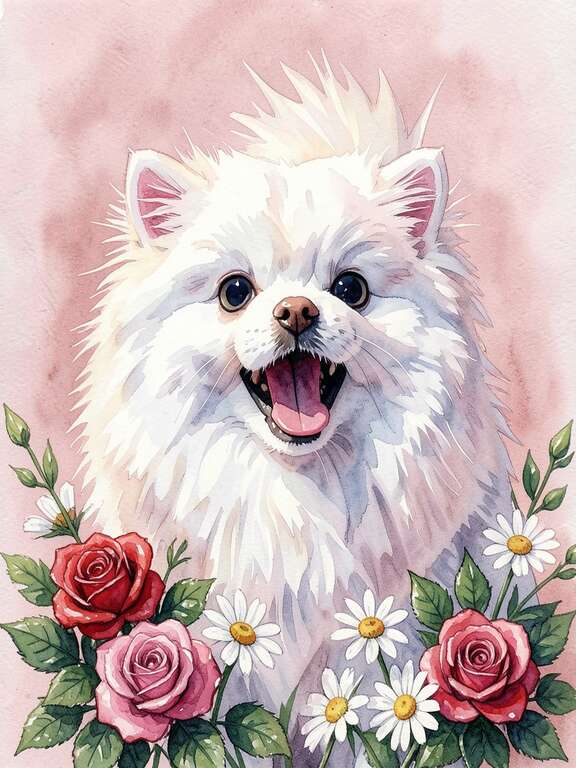
The short answer: Dogs become senior between 5 and 11 years depending on breed size (small: 9-11, medium: 8-10, large: 7-8, giant: 5-6). Cats reach senior status at 11-14 years. The five core pillars of senior dog care are comfort essentials (orthopedic bed $50-$150, dog ramp $40-$90, warm blanket $15-$60), health care (vet visits every 6 months, joint supplements, dental cleanings), nutrition (senior food with 26-30% protein and added joint compounds), cognitive enrichment (puzzle feeders, scent games), and capturing this chapter (senior dog portraits in distinguished, watercolor, classic, or nature styles).
Dogs become seniors between ages 5 and 11 depending on breed size, while cats reach senior status around 11 to 14. The senior stage brings challenges — joint stiffness, slower movement, the awareness that time is finite — but also gifts: calm companionship, deep knowing, and permission to slow down. This complete 2026 guide covers everything senior dog owners need: when the senior stage begins, the eight best senior dog gift ideas (orthopedic beds, dog ramps, warm dog blankets, elevated bowls, puzzle feeders, joint supplements, lifting harnesses, non-slip toe grips), physical comfort modifications, health and wellness guidance, senior dog nutrition, cognitive enrichment, emotional needs, milestones worth celebrating, and how to capture this chapter with a senior dog portrait that honors a life well-loved.
- Senior age varies: small breeds 9-11, giant breeds 5-6
- Top 3 essentials: orthopedic bed, dog ramp, warm blanket
- Vet visits every 6 months, not yearly
- Senior food: 26-30% protein + joint compounds + omega-3
- Don't wait for "the right time" to honor them
The white fur appeared slowly at first. Around the muzzle. Then the eyebrows. Now, your once jet-black pup has a distinguished salt-and-pepper face that makes strangers stop and say, "What a sweet old dog."
They move slower now. The stairs that used to be nothing are now approached with care. The zoomies have been replaced by strategic couch positioning for optimal sunbeam exposure.
This is the senior chapter. And it's beautiful.
When Does a Dog Become a Senior?
Answer: Senior age varies dramatically by size. Small breeds (under 20 lbs) become senior at 9-11 years. Medium breeds (20-50 lbs) at 8-10 years. Large breeds (50-90 lbs) at 7-8 years. Giant breeds (90+ lbs) reach senior status as early as 5-6 years. Cats become senior at 11-14 years and geriatric at 15+. But "senior" is more about observable changes — slowing down, sleeping more, hesitating before jumping — than a specific number.
The answer depends on your dog's size and breed. Larger dogs age faster than smaller ones, which means a Great Dane enters their senior years long before a Chihuahua does. Here's a 2026 guide:
🐕 Dogs
🐱 Cats
But "senior" is more than a number. It's the moment you notice them slowing down, sleeping more, choosing rest over play. It's a gradual shift, not a sudden cliff. You might notice your dog hesitating before jumping onto the couch, taking a bit longer to stand up after a nap, or pausing at the bottom of the stairs they used to take in two strides. These small changes signal that it's time to start adapting their environment and routine.
What Are the 5 Pillars of Senior Dog Care?
Answer: Senior dog care in 2026 has five core pillars. (1) Comfort essentials — orthopedic bed, dog ramp, warm blanket, non-slip rugs, elevated bowls. (2) Health care — vet visits every 6 months, joint supplements, dental cleanings, weight management. (3) Nutrition — senior dog food with 26-30% protein and added joint compounds. (4) Cognitive enrichment — puzzle feeders, scent games, gentle training, familiar routines. (5) Capturing this chapter — photos and senior dog portraits that honor a life well-loved.
Comfort
Orthopedic bed, dog ramp, warm blanket, non-slip floors, raised bowls.
Health Care
Vet every 6 months, joint supplements, dental care, weight management.
Nutrition
Senior food with 26-30% protein, glucosamine, omega-3s, MCT oils.
Enrichment
Puzzle feeders, scent games, gentle training, familiar routines.
Capturing
Photos in soft light, senior dog portraits, milestones documented.
The Gifts of the Senior Stage
Yes, there are challenges. But there are also gifts that only come with age:
🌟 What Senior Pets Give Us
- Calm companionship: Less chaos, more presence. They're content simply being near you.
- Deep knowing: After years together, they read your moods before you do.
- Permission to slow down: Their unhurried pace invites you to be present, not rushed.
- Unconditional loyalty: Proven over thousands of days. This love has been tested and remains true.
- Perspective: They remind us what matters most: comfort, connection, and simple joys.
"When Ruby turned 12, I thought I'd be sad. But she's never been sweeter. She follows me everywhere, sleeps on my feet, and gives me this look like I'm her whole world. These really are the best years."
What Are the Best Senior Dog Gift Ideas in 2026?
Answer: The eight best senior dog gifts focus on comfort and health. (1) Orthopedic memory foam dog bed ($50-$150). (2) Sturdy dog ramp ($40-$90). (3) Warm dog blanket ($15-$60). (4) Elevated dog bowl ($15-$40). (5) Puzzle feeder ($10-$30). (6) Joint supplements with glucosamine and fish oil ($15-$40/month). (7) Supportive lifting harness ($25-$50). (8) Non-slip toe grips or paw socks ($10-$25). The orthopedic bed and dog ramp deliver the highest impact-to-cost ratio.
If you're shopping for your own aging pup or looking for a thoughtful gift for a fellow senior dog parent, the best senior dog gift ideas focus on comfort, health, and quality of life. Forget the flashy toys your dog has outgrown. These are the gifts that make a real difference in their golden years.
The single most impactful product for a senior dog. Look for at least 4 inches of high-density memory foam with a waterproof liner. Many owners report visible improvement in mobility within days of switching.
$50–$150A sturdy dog ramp eliminates dangerous jumping on and off furniture, beds, and cars. Essential for arthritis or hip dysplasia. Choose one with non-slip surface and gentle incline.
$40–$90Senior dogs lose the ability to regulate body temperature efficiently. A warm dog blanket — self-warming, fleece-lined, or electrically heated — soothes achy joints and provides security.
$15–$60Raised food and water bowls reduce neck strain and ease mealtimes for aging joints. Especially helpful for large breeds and dogs with megaesophagus or shoulder arthritis.
$15–$40Mental stimulation is as important as physical comfort. Puzzle feeders engage your dog's brain, slow eating, and help prevent cognitive decline. Gentle difficulty levels work best.
$10–$30Glucosamine, chondroitin, fish oil, and omega-3 supplements support cartilage and reduce inflammation. Some formulas include MCT oils for cognitive support. Ask your vet first.
$15–$40/moA padded belly sling or lifting harness helps your dog navigate stairs, get into the car, or stand up from rest. Ergonomic designs avoid pressure on sensitive pain points.
$25–$50Rubberized grips that fit onto toenails or paw socks with traction pads help senior dogs walk confidently on hardwood and tile. A simple fix that prevents dangerous slips.
$10–$25| Senior Dog Gift | 2026 Price Range | Priority |
|---|---|---|
| Orthopedic memory foam bed | $50 – $150 | Essential |
| Dog ramp (furniture or car) | $40 – $90 | Essential |
| Warm dog blanket | $15 – $60 | High |
| Elevated dog bowl | $15 – $40 | High |
| Puzzle feeder | $10 – $30 | High |
| Joint supplements (monthly) | $15 – $40 | Vet-recommended |
| Supportive lifting harness | $25 – $50 | If needed |
| Non-slip toe grips / paw socks | $10 – $25 | If hard floors |
What Other Gifts Are Worth Considering for Senior Dogs?
Answer: Five bonus senior dog gift ideas beyond the essentials. Dog sweater or coat ($20-$50) for short-haired breeds in cold weather. Soft chew toys ($8-$25) gentle on sensitive teeth. Pet camera with treat dispenser ($60-$200) for checking in remotely. Paw balm ($10-$20) for cracked aging pads. Clip-on LED collar light ($10-$25) for safer walks with declining eyesight. None are essential, but each addresses a specific senior-dog comfort need.
- Dog sweater or coat ($20-$50): Senior dogs feel the cold more, especially short-haired breeds. A warm, well-fitting sweater makes winter walks comfortable.
- Soft chew toys ($8-$25): Gentle on sensitive teeth and gums while still providing entertainment. Look for toys designed for light chewers.
- Pet camera with treat dispenser ($60-$200): Check in on your senior while you're away and reward them with treats remotely.
- Paw balm ($10-$20): Aging paw pads crack and dry out. A quality paw balm protects and moisturizes, especially in winter.
- LED collar light ($10-$25): Senior dogs with declining eyesight benefit from a clip-on light for safe evening walks.
- CBD oil or calming chews ($25-$50): May help with anxiety and joint discomfort. Always consult your vet before adding supplements.
How Do I Set Up My Home for a Senior Dog?
Answer: Six key home modifications. (1) Place orthopedic beds in every room they spend time. (2) Install dog ramps at couches, beds, and the car. (3) Add non-slip rugs and runners on hardwood and tile. (4) Switch to elevated food and water bowls. (5) Set up warm resting spots with blankets and heated pads. (6) Schedule a senior wellness vet visit to establish a baseline. Most modifications cost $200-$400 total and dramatically improve daily quality of life.
Physical Comfort Modifications
Your senior dog's physical environment matters more now than ever. Small adjustments can dramatically improve their daily quality of life.
How Often Should a Senior Dog See the Vet?
Answer: Senior dogs should see the vet every 6 months instead of yearly. Senior bloodwork panels detect kidney, liver, thyroid, and metabolic issues before symptoms appear, when treatment options are broader. A typical senior wellness visit costs $150-$400 including bloodwork, urinalysis, and physical exam. Annual dental cleanings ($300-$800 with anesthesia) are also recommended for most seniors. Schedule proactively rather than reactively — by the time symptoms are obvious, conditions may be advanced.
Proactive health care becomes critical in the senior years. The earlier you catch issues, the more options you'll have.
- More frequent vet visits: Every 6 months instead of once a year. Senior bloodwork panels can detect kidney, liver, and thyroid issues before symptoms appear.
- Joint supplements: Glucosamine, chondroitin, fish oil, or whatever your vet recommends. Some owners explore MCT oil supplements, which research suggests may support brain function in aging dogs by providing an alternative energy source for neurons.
- Dental care: Even more important at this stage. Dental disease can lead to bacteria entering the bloodstream, affecting heart, kidneys, and liver. Regular cleanings and at-home care are essential.
- Weight management: Extra pounds take a real toll on aging joints, heart, and respiratory system. Work with your vet to find the right calorie intake as activity declines.
- Cognitive enrichment: Puzzle feeders, gentle training sessions, snuffle mats, and scent games keep your dog's brain active. Mental stimulation is one of the best tools against cognitive decline.
- Pet insurance: Veterinary costs increase with age. If your dog isn't already covered, look into plans that accept senior dogs — some providers have no upper age limit. Compare coverage for chronic conditions and prescription medications.
What Food Should I Feed My Senior Dog?
Answer: Senior dogs benefit from food formulated for their life stage. Look for moderate to high protein (26-30%) to maintain muscle mass without overburdening kidneys, added glucosamine and chondroitin for joint health, omega-3 fatty acids for brain and coat support, easily digestible single-protein ingredients, appropriate calorie density to prevent weight gain, and brain-supporting nutrients like MCT oils in premium formulas. Transition gradually over 7-10 days. Always consult your vet for personalized recommendations.
Your dog's nutritional needs change as they age. Senior dog food is formulated to address these shifts, and switching to an age-appropriate diet can make a noticeable difference in energy, coat quality, and overall health.
Look for senior dog food with these characteristics:
- Moderate to high protein (26-30%): Aging dogs lose muscle mass more easily. Adequate protein helps maintain strength without overburdening the kidneys.
- Added glucosamine and chondroitin: Many quality senior formulas include joint-supporting compounds built right into the food.
- Omega-3 fatty acids: Support brain health, reduce inflammation, and keep the coat shiny. Look for fish oil or flaxseed as ingredients.
- Easily digestible ingredients: Senior stomachs are more sensitive. Single-protein recipes or limited-ingredient formulas can help with digestion.
- Appropriate calorie density: Less active dogs need fewer calories, but the food should still be nutrient-dense. Avoid fillers like corn and wheat.
- Brain-supporting nutrients: Some premium formulas include MCT oils, antioxidants, and B-vitamins to support cognitive function. Dogs eating these may show improved alertness and memory.
Always transition to a new food gradually over 7-10 days, mixing increasing amounts of the new food with the old to prevent digestive upset. And consult your vet before making dietary changes, especially if your senior dog has specific health conditions.
What Are a Senior Dog's Emotional Needs?
Answer: Senior dogs need routine (predictability is comforting — stick to familiar schedules), patience (they may not hear you the first time, or remember where their water bowl is, and that's okay), presence (quality time matters more now — sitting together counts), and gentleness (arthritis hurts, approach from where they can see you). Senior dogs often become more attached to their humans as they age. Continued cognitive enrichment through gentle training and puzzle games strengthens the bond and supports mental health.
The emotional world of a senior dog is just as important as their physical one. As dogs age, they often become more attached to routine and to you.
- Routine: Predictability is comforting. Try to stick to familiar schedules for feeding, walks, and bedtime. Changes in routine can cause anxiety in older dogs.
- Patience: They may not hear you the first time. Or the second. They might stand at the wrong door or forget where their water bowl is. And that's perfectly okay.
- Presence: Quality time matters more now than ever before. Sitting together counts. Quiet walks count. Simply being in the same room counts.
- Gentleness: Arthritis hurts, so be careful with pats and handling. Approach from where they can see you, especially if their vision or hearing has declined.
- Continued learning: Senior dogs CAN learn new things. Short training sessions (5-10 minutes), high-value treats, and gentle voice cues work well. Cognitive enrichment is one of the most important tools against age-related decline.
What Senior Dog Milestones Are Worth Celebrating?
Answer: Six milestones senior dog parents commonly celebrate. Double-digit birthdays (10, 11, 12+ — each year is a victory lap). First gray hair photos documenting the distinguished new look. Adoption anniversaries for another year of love. "Good day" days when they have extra pep. Paw print keepsakes in clay impressions while they're happy and relaxed. Senior portrait sessions capturing their wise, distinguished look forever. Don't wait for "the right time" — every day with a senior pet is a gift worth celebrating.
Every day with a senior pet is a gift. But some moments deserve a little extra recognition:
How Do I Photograph an Older Dog and Create a Senior Dog Portrait?
Answer: Six tips for photographing older dogs. (1) Use soft natural light from a window — flattering on gray fur. (2) Let them be comfortable in their preferred position — lying down is fine. (3) Focus on their wise eyes — get down to their level. (4) Don't chase the perfect pose — authenticity is what matters. (5) Take many photos on good days. (6) Include their favorite spots. For senior dog portraits, four styles consistently work: distinguished and regal, soft watercolor, classic timeless, and nature and peace backdrops.
Here's something senior pet parents often say: "I wish I had more photos from before."
The gray muzzle, the wise eyes, the peaceful expression. This is your pet at their most distinguished. This face tells the story of a life well-lived and deeply loved.
Photographing older dogs is about capturing who they are right now — not who they used to be. And a senior dog portrait created from those photos preserves this chapter forever. The quiet one. The one where love has settled into something deep and profound.
- Use soft, natural light — it's especially flattering on gray fur and softens wrinkles beautifully
- Let them get comfortable first. Lying down is perfectly fine and often produces the most natural, relaxed images
- Focus on those wise, knowing eyes. Get down to their level for the most intimate perspective
- Don't chase the "perfect" pose. Authenticity is what makes senior dog photos so moving
- Snap plenty of photos on good days when they're alert and content. You'll be grateful for every one later
- Include their favorite spots: the sunny corner, the well-worn bed, the spot by your feet. These details tell the story
Portrait Styles That Suit Senior Pets
A senior dog portrait should feel like them — and there's a style for every personality:
- Distinguished & Regal: They've earned the royal treatment after all these years. Think rich backgrounds and stately poses that honor their dignity.
- Soft & Warm: Watercolor or painterly styles that reflect their gentle energy. These capture the softness of their senior years beautifully.
- Classic Portrait: Timeless and elegant, honoring their dignified presence. These never go out of style, just like your dog.
- Nature & Peace: Serene backdrops with meadows, golden light, or quiet forests that mirror their calm, settled spirit.
The Hardest Part (and the Gift Within It)
We need to acknowledge it: the senior years come with the quiet awareness that time is finite.
Every gray hair is a gentle reminder. Every slowed step. Every extra-long nap in the afternoon sun.
This awareness can feel heavy. But it can also be a gift. It's a nudge to be present, to stop taking any day for granted. To give extra treats, extra cuddles, extra "good boys" and "good girls."
If you're reading this with a senior pet curled at your feet right now, take a moment. Look at them. Notice their breath. Touch them gently if they're awake, or just be near. This — right here — is what every memory is made of. Don't wait for the right time to honor them.
The best thing you can do is make every day count. That might mean investing in an orthopedic bed so they sleep more comfortably. Adding a dog ramp so they can still curl up on the couch beside you. Wrapping them in a warm dog blanket on a cold evening. Taking one more photo. Saying "I love you" one more time.
When that day eventually comes — the one we all try not to think about — you'll be so grateful for every moment you savored. Every portrait you made. Every memory you chose to preserve.
"I took so many photos in Samson's last year. Created three different senior dog portraits. Some people thought I was being morbid. But now that he's gone, I'm so glad I have them. They're not sad to look at. They remind me of how loved he was."
Frequently Asked Questions
What are signs my senior dog is in pain?
Senior dogs often hide pain so subtle behavioral changes matter more than obvious limping. Watch for hesitation before jumping or climbing stairs, difficulty rising after rest, restlessness or trouble settling, decreased appetite, excessive licking of joints, panting at rest, reluctance to be touched in certain spots, sleeping more than usual, withdrawing from family activities, and changes in temperament. Any of these warrant a vet visit. Pain is often manageable with joint supplements, prescription anti-inflammatories, physical therapy, and environmental modifications — don't accept pain as just normal aging.
Can senior dogs still learn new things?
Yes — the saying "you can't teach an old dog new tricks" is wrong. Senior dogs absolutely learn new behaviors and benefit from continued mental stimulation. Cognitive enrichment is one of the most important tools against age-related cognitive decline. Use shorter training sessions (5-10 minutes), high-value treats, gentle voice cues, and patience with slower learning curves. Good activities: nose work, scent games, simple puzzle feeders, learning the names of toys, and basic commands they may have forgotten.
How much should I budget for senior dog care?
Budget $1,500-$4,000 per year for senior dog care in 2026. Initial setup (orthopedic bed, ramp, blankets, raised bowls, non-slip rugs) runs $200-$500. Ongoing monthly costs include senior food ($40-$100), joint supplements ($15-$40), and basic care ($30-$60). Vet visits every 6 months total $300-$800/year. Annual dental cleanings add $300-$800. Pet insurance for seniors runs $50-$120/month. Unexpected medical issues can range from $500 to $5,000+. Building a small emergency fund alongside insurance gives the most peace of mind.
Is my senior dog losing their hearing or vision?
Common signs of hearing loss in senior dogs include not responding to their name, sleeping through usual disturbances, startling when approached, and barking more loudly than normal. Vision loss signs include bumping into furniture especially in dim light, hesitation on stairs, cloudy or bluish eyes, and reluctance to play in unfamiliar spaces. Both are common in senior dogs and dogs adapt remarkably well. Use vibration cues like floor taps, hand signals if any vision remains, and keep furniture in consistent positions. Approach from where they can see or feel you to avoid startling them.
Should I get pet insurance for my senior dog?
Pet insurance can be valuable for senior dogs since veterinary costs increase significantly with age. Senior dogs are more prone to arthritis, dental disease, cancer, kidney issues, and organ problems requiring expensive treatment ($1,000-$10,000+). Some insurers like Pets Best and Embrace have no upper age limit for enrollment, though premiums for senior dogs run $50-$120/month. Compare plans focusing on coverage for chronic conditions, prescription medications, and pre-existing condition policies. Pre-existing conditions are typically excluded so enrollment before issues arise is ideal.
What if I can't afford all the senior dog gifts at once?
Prioritize the orthopedic bed and dog ramp first — these have the highest impact on daily comfort and mobility. Total $90-$240 covers both essentials. Add non-slip rugs (or use ones you already own) immediately. Then layer in elevated bowls ($15-$40), joint supplements ($15-$40/month after vet approval), and a warm blanket ($15-$30). Most senior comforts can be added gradually over 2-3 months. Many items are also available used on Facebook Marketplace at 50-70% off retail.
Is my dog too old to start something new like swimming or walks?
Almost never. Most senior dogs benefit from gentle low-impact exercise like swimming and short walks — these support joint health and mental wellbeing. Hydrotherapy in particular is excellent for arthritis. Start gradually: 5-10 minute walks twice daily for sedentary seniors, building up over weeks. Watch for signs of overexertion (excessive panting, lying down mid-walk, reluctance to continue) and respect what they tell you. Always consult your vet before starting new exercise, especially with heart, respiratory, or significant joint conditions.
How can I create a senior dog portrait if my dog has passed?
You can absolutely create a memorial portrait from existing photos of your senior dog. Apps like PawFav transform any clear photo into artistic portraits in dozens of styles. Soft watercolor, pencil sketch, and classic oil painting work especially well for memorial portraits — gentle, reverent, not overly bright. Wait until the initial wave of grief has softened, often a few weeks to a few months. See our pet memorial portrait guide for sensitive timing and style guidance.
How do I know when it's time to say goodbye?
This is one of the hardest decisions a pet parent faces. Most veterinarians recommend evaluating quality of life by tracking good days versus bad days using a written log. Common indicators that quality of life is declining: persistent pain unmanaged by medication, inability to eat or drink, loss of mobility, incontinence accompanied by distress, withdrawal from family, and labored breathing. Talk openly with your vet — they have experience and perspective and can guide you through this decision. There's no perfect answer, but doing this lovingly when the time comes is one of the final gifts you give your senior dog.
Celebrate Them Now
Don't wait for a special occasion. Don't wait until they're gone.
The gray muzzle is beautiful. The slower pace is peaceful. The deeper bond has been earned over years of loyalty and love.
Your senior dog has given you the best of themselves. Honor that with comfort — an orthopedic bed they sink into, a dog ramp that keeps them close, a warm dog blanket that wraps them in security. Honor it with care — the right food, the right supplements, the vet visits that catch problems early. And honor it with something lasting — a portrait that captures this chapter and keeps it forever.
Create something you can look at every day and remember: this was the good stuff.
Honor Your Senior Companion
Create a senior dog portrait that celebrates a life well-loved. Capture the gray muzzle, the wise eyes, and the quiet dignity of their golden years.
Create Their Portrait