The short answer: The human-pet bond is both biological and emotional. Mutual eye contact between humans and dogs releases oxytocin in both species — the same hormone that bonds parents to children. Pet interaction reduces cortisol, lowers blood pressure, and raises serotonin and dopamine. Pet owners report lower depression rates and higher daily happiness. The bond deserves to be celebrated through rituals, presence, and lasting art like custom portraits — continuing a human tradition of memorializing what matters most.
The human-pet bond is both emotional and biological — when you look into your dog's eyes, both brains release oxytocin, the same bonding hormone between parents and children. Interacting with pets reduces cortisol, lowers blood pressure, and increases serotonin and dopamine. Pet owners experience lower rates of depression and higher daily happiness. Pet portraits honor this bond by transforming a beloved companion into lasting art, continuing a tradition of memorializing what matters most — from cave paintings to family photographs.
- Mutual gaze triggers oxytocin in both species
- Pets reduce cortisol and lower blood pressure
- Owners report lower depression, higher happiness
- Portraits honor a bond worth seeing
They don't speak our language. They can't text us back. They have no idea what we do for a living or what keeps us up at night.
And yet.
They know when we're sad before we've said a word. They're at the door when we come home, every single time, as if this reunion is the best moment of their entire day. They curl up next to us when we're sick and refuse to leave.
The bond between a pet and their person is unlike any other relationship. It asks for nothing but presence. It offers everything without condition.
This is a love letter to that bond — and why it deserves to be celebrated.
Why Is the Human-Pet Bond So Strong?
Answer: The bond is powered by shared brain chemistry. Mutual eye contact between humans and dogs releases oxytocin in both species — the same hormone that bonds parents to children. Pet interaction also reduces cortisol (stress hormone), lowers blood pressure, and raises serotonin and dopamine. Combined with daily ritual, physical presence, and unconditional acceptance, the result is a relationship that's measurably good for human mental and physical health.
Let's start with the facts, because even science can't deny what pet owners have always known.
When you look into your dog's eyes, both of your brains release oxytocin — the same hormone that bonds parents to children. This isn't metaphor. This is biology confirming what you feel.
🧬 What research tells us
Studies show that interacting with pets reduces cortisol (stress hormone), lowers blood pressure, and increases serotonin and dopamine. Pet owners report lower rates of depression and higher levels of daily happiness. The bond isn't just emotional — it's physiological.
Your pet literally makes you healthier. Your pet literally makes you happier. And your presence does the same for them.
What Everyday Moments Define the Bond?
Answer: The bond is built less from milestones and more from ordinary recurring moments — the morning greeting, the couch companion, the homecoming reunion, and the nighttime ritual. These small repeated rituals accumulate into the relationship's foundation. They don't announce themselves at the time, but they become the memories that define what you shared.
The big milestones — adoption day, first birthday, recovery from illness — those are worth celebrating. But the real magic lives in the ordinary moments.
When they stretch and yawn and look at you like you're the whole world waking up.
That warm weight pressed against your leg while you watch TV, read, or just exist.
The unbridled joy when you walk through the door — whether you were gone 8 hours or 8 minutes.
The circling, the settling, the sigh that says "we made it through another day together."
These moments don't announce themselves. They slip by quietly, unremarkably. And then one day, when they're gone, you realize they were everything.
Why Do We Celebrate Our Pets?
Answer: We celebrate pets because they were present for the moments that shaped us — the wins, the losses, the quiet hard hours nobody else witnessed. They offered consistent unconditional acceptance during life events when other relationships couldn't. Honoring that presence through portraits, rituals, and intentional acknowledgment isn't excessive; it's a proportional response to what they gave us.
Some people don't understand. "It's just a dog," they say. "It's just a cat."
But you know better.
Your pet was there when you got the job and when you lost the job. They were there through the breakup, the move, the pandemic, the recovery. They didn't offer advice or judgment — just presence. Warm, constant, unwavering presence.
That's not "just" anything. That's everything.
"My dog doesn't care about my failures. He doesn't know about my mistakes. To him, I'm just the person who gives belly rubs and throws the ball. And honestly? Sometimes that's the only version of myself I can stand."
Celebrating our pets — through portraits, through rituals, through intentional acknowledgment — isn't excessive. It's appropriate. It's what they deserve.
What Does a Pet Portrait Really Mean?
Answer: A pet portrait continues a human tradition that runs from cave paintings to family photographs — memorializing what matters most. Creating art of a pet declares this relationship matters, this love deserves to be seen. During a pet's life, portraits serve as daily reminders and home identity. After they pass, portraits become healing memorials that preserve presence in visual form. The act of choosing the style and placement is itself the gesture.
Throughout history, humans have memorialized what matters to them. Cave paintings. Family portraits. Photographs on the mantle.
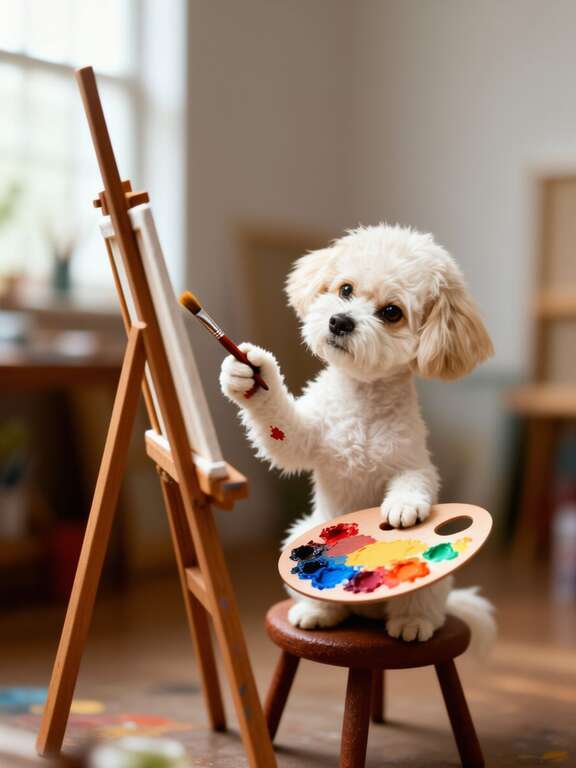
Pet portraits are part of that tradition. When you transform a photo of your pet into art, you're saying: this relationship matters. This creature matters. This love deserves to be seen.
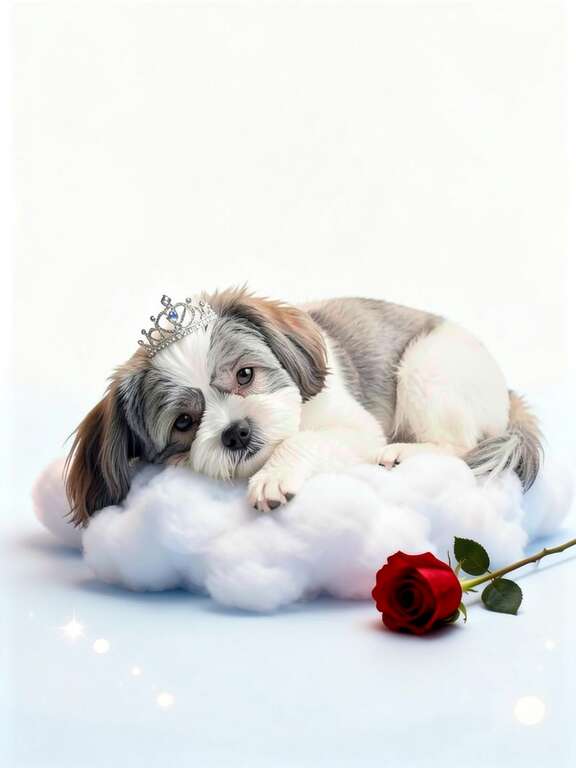
There's something profound about seeing your pet rendered in a style usually reserved for royalty or historical figures. It's funny, yes. But it's also true. In your life, they are royalty. They are historic.
The portrait as daily reminder
Here's what happens when you hang a pet portrait in your home:
You walk past it on a hard day and smile. Guests comment on it, and you tell stories. Your pet glances at it occasionally, confused but probably pleased. It becomes part of your home's identity — a declaration of values.
Long after they're gone, that portrait remains. Not as a reminder of loss, but as a celebration of what was. The tail wags. The head tilts. The eyes that loved you, frozen in time, still loving you.
What Do Pets Teach Us?
Answer: Pets teach presence. They don't worry about yesterday or stress about tomorrow — they live entirely in the present moment, and they invite us to join them. Other things they model: forgiveness takes seconds, joy can be found in small things, loyalty isn't complicated, and being present is the greatest gift you can give another being.
Pets don't worry about yesterday. They don't stress about tomorrow. They live entirely in the present moment — and they invite us to join them there.
When you're throwing the ball, there is only the ball. When you're on a walk, there is only the walk. When you're sitting together in the quiet, there is only the quiet.
This is their gift to us: permission to stop, breathe, and simply be.
🐾 What they teach us
Forgiveness takes seconds, not days. Joy can be found in the smallest things. Loyalty isn't complicated. Love doesn't require words. Being present is the greatest gift you can give someone.
How Do Pets Change the People Who Love Them?
Answer: Pets change their owners in measurable ways: more patient (years of waiting through every sniffed blade of grass), more nurturing, more attuned to nonverbal communication, more grounded in routine, and often more emotionally open. Many owners report that caring for a pet taught them how to receive love without earning it — a skill that transfers to human relationships.
Before your pet, you were one person. After, you're another.
Maybe you're more patient now — trained by years of waiting for them to sniff every single blade of grass on the block. Maybe you're more nurturing, softer in ways you didn't expect. Maybe you understand responsibility differently, having kept another creature alive and happy through the years.
They don't just share our lives. They shape them.
And when people ask why we make such a fuss — the portraits, the celebrations, the birthday parties with tiny hats — the answer is simple:
Because they gave us more than we could ever give back. And we're just trying to even the score, one small gesture at a time.
Frequently Asked Questions About the Human-Pet Bond
Is it normal to grieve a pet as deeply as a person?
Yes. Pet grief is real grief, and it deserves to be taken seriously. Pets are family members who share daily life intimately for years. The grief reflects the depth of the bond, not its appropriateness. Many people find pet grief uniquely difficult because pets witnessed routines and quiet moments other family members didn't. Memorial portraits, journaling, and connecting with pet loss support communities are healthy ways to process the loss.
Do pets really know when we're sad?
Yes. Research shows dogs and many cats can read human emotional cues including facial expressions, tone of voice, body posture, and even chemical changes in our scent. Studies have demonstrated dogs respond to human tears with comforting behavior, and cats often change their proximity patterns when their humans are upset. This emotional attunement is a core reason why pets serve so effectively as companions during difficult life events.
Why do pet owners report being happier than non-pet owners?
Multiple factors compound. Daily oxytocin release from pet interaction reduces stress and increases bonding feelings. Routine care provides structure and purpose. Physical activity (especially with dogs) improves cardiovascular and mental health. Social connection with other pet owners reduces isolation. The unconditional acceptance pets offer counteracts negative self-talk. And the simple presence of a warm, breathing companion has been shown to lower anxiety in measurable ways.
What's the best way to honor a pet who has passed?
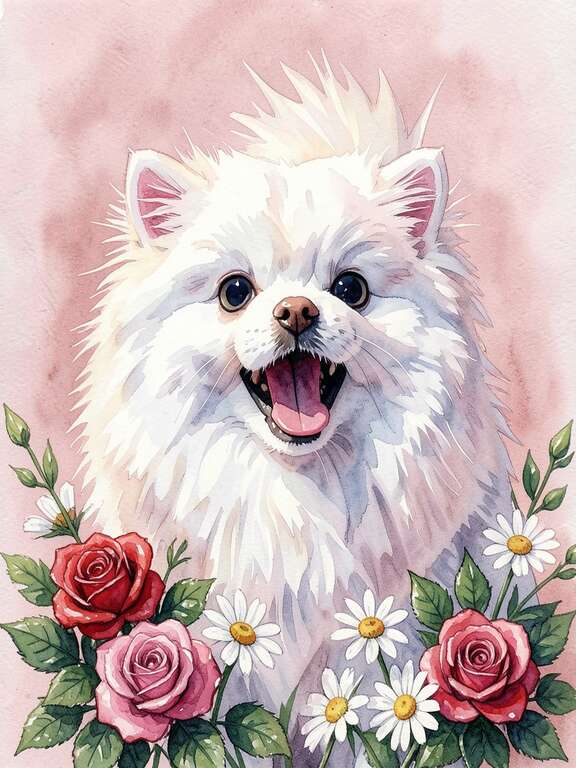
There's no single right way, and the right choice is usually the one that feels most personal. Common approaches include creating a memorial portrait (watercolor and soft painterly styles work especially well), planting a tree or garden in their name, donating to a shelter in their honor, keeping a small ritual like lighting a candle on their birthday, or writing about them. The act of intentionally honoring them is what matters more than the specific form.
Can creating a pet portrait help with pet grief?
Many people find that creating or commissioning a portrait is a meaningful part of grief processing. The act of choosing photos, selecting a style, and deciding where to display the finished piece creates space to focus on what was wonderful about the pet rather than the pain of losing them. Soft styles like watercolor and classic oil work well for memorial portraits because they feel warm rather than clinical.
A Moment to Pause
Right now, wherever you are, your pet is probably:
- Sleeping in a sunbeam
- Hoping you'll come home soon
- Watching the world from a window
- Dreaming about treats or squirrels or you
They're not reading this article. They don't know about your deadlines or anxieties or to-do lists. They're just... being. Existing in the world you share together.
And tonight, when you get home, they'll greet you like you've been gone for years. Because to them, every reunion is a miracle.
That's the bond. That's what we're celebrating. That's why a silly portrait of your dog dressed as Napoleon isn't silly at all.
It's a love story, rendered in pixels and paint.